Chocolate Workshops in Antigua Guatemala: Bean to Bar
Coffee Tours & Chocolate Workshops
The provided sources highlight a diverse range of coffee and chocolate experiences located in and around Antigua, Guatemala. Visitors can explore historic estates like Finca La Azotea and Finca Filadelfia, which offer everything from educational plantation tours and museums to outdoor recreation like cycling and horseback riding. For those interested in artisanal crafts, various workshops provide hands-on opportunities to create traditional Mayan chocolate and gourmet truffles from scratch. The texts also showcase specialty coffee shops such as Artista de Café and La Vid Coffee Roasters, which focus on the refined art of brewing and local sourcing. Furthermore, several establishments emphasize social impact, supporting local youth and small-scale farmers through community-led tourism and ethical business practices. Collectively, these destinations offer a rich blend of cultural heritage, agricultural education, and sensory experiences for travelers.
Coffee Tours
Discuss Coffee Farm Tours.Coffee Tours & Chocolate Workshops. Based on the provided sources, coffee farm tours in the Antigua Guatemala region range from visits to large, historic estates with resort-like amenities to immersive, community-led experiences with small-scale producers. For those interested in established history and extensive facilities, two major locations stand out:
Filadelfia Coffee Resort & Tours
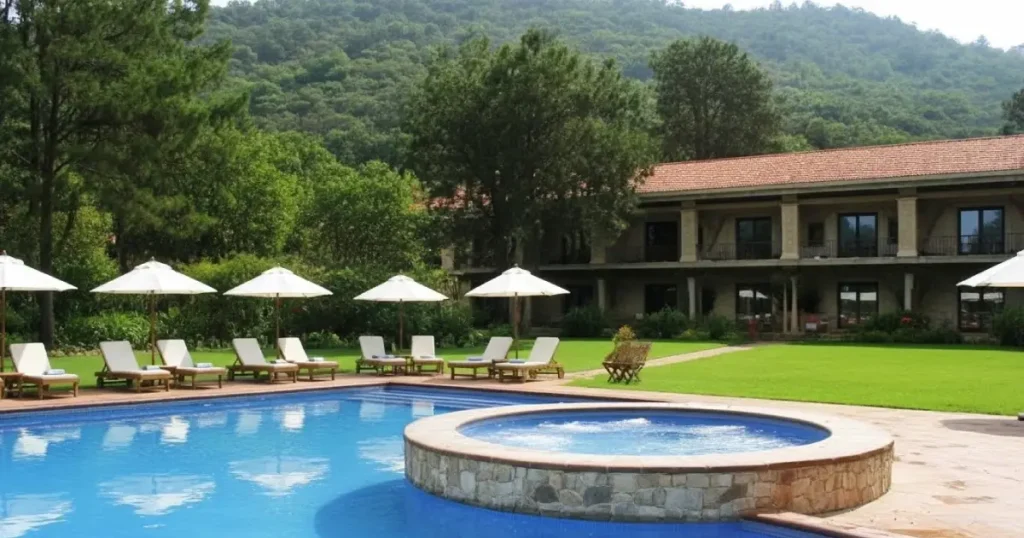
Established in 1864, this location operates as a “Coffee Resort” featuring a hotel and restaurants. Their tours are highly recommended for learning the history and production process of coffee. The standard two-hour tour covers the journey from “farm to cup,” offering insights into the coffee-making process, a tasting session, and even an introduction to latte art.
Finca Filadelfia is a first-class hotel and restaurant. With hundreds of five-star reviews, their coffee tours are strongly recommended for those who wish to learn more about coffee, its history, and its process of being made.
Finca La azotea
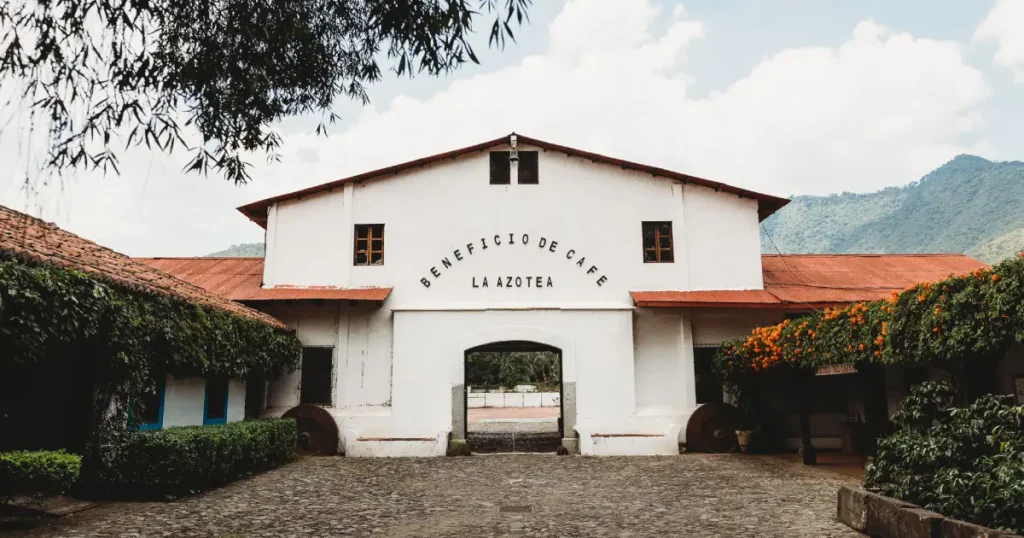
Located in Jocotenango, this farm has over 150 years of history and offers a diverse set of outdoor activities beyond just coffee,. While the “tour de café por la finca” (coffee tour through the farm) is a central attraction, visitors can also explore museums (such as Casa K’ojom), rent bicycles, ride horses, and participate in chocolate workshops. It is described as a family-friendly destination with large gardens and educational spaces,.
This destination offers a cafeteria with outdoor seating surrounded by nature. It is equipped with Wi-Fi, making it positioned as an ideal location for working in the middle of the forest, and operates with extended hours on weekends.
To understand the difference between a standard café and these specialty shops, think of it like visiting an art gallery versus buying a print at a department store. In a department store, the image is a commodity sold for function and decoration; in these specialty shops, the coffee is treated like an original canvas, where the “curators” (baristas and farmers) can explain every brushstroke—from the altitude of the farm to the specific technique used to extract the flavor.
Community-Based and Small-Producer Tours
For a more intimate perspective focused on the lives of local growers, visitors can look to the area of San Miguel Escobar and Ciudad Vieja:
The la Gente
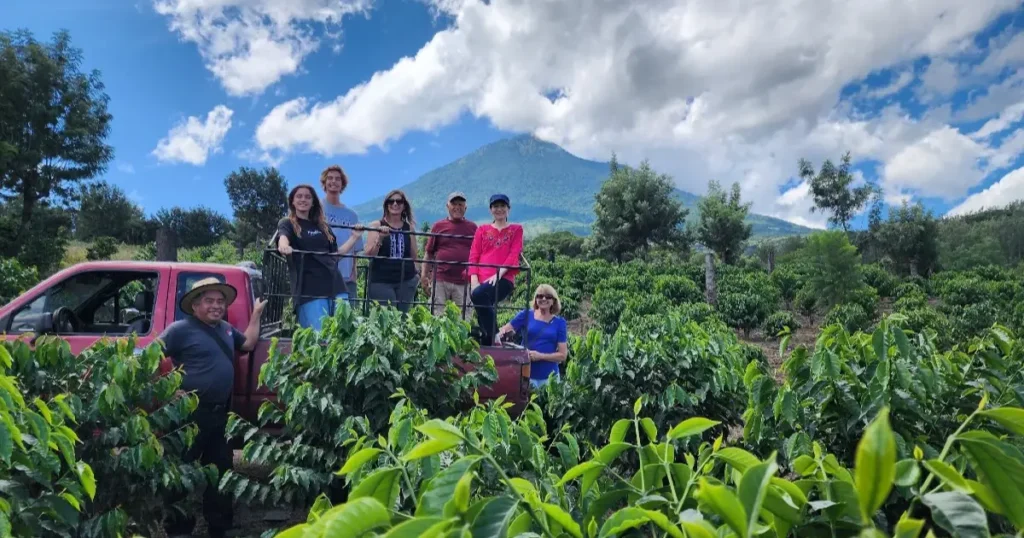
This “authentic coffee tour” is designed to be off-the-beaten-path and is led directly by coffee growers in the community of San Miguel Escobar. The experience involves walking through the fields to understand the cultivation work and processing steps. A unique feature of this tour is the transparent conversation with small-scale producers regarding their obstacles and triumphs, concluding with a cup of coffee inside the grower’s home.
If you’re looking for a coffee tour that will deepen your knowledge and expose you to interact with local communities off-the-beaten-path, this is for you. The coffee growers lead our signature coffee tours from the community of San Miguel Escobar on the outskirts of Antigua. They will lead you through their fields, explain the work behind cultivating coffee, walk you through each processing step from bean to brew, and finish the tour by joining you for a coffee in their home. Along the way, you’ll learn more than just the process behind coffee–you’ll have authentic and transparent conversations with small-scale producers to hear firsthand about their obstacles, triumphs, and goals as coffee growers and experience their persisting enthusiasm and dedication to the coffee industry.
La Familia del Café
This family-owned business in Ciudad Vieja has been involved with coffee for over 50 years, spanning four generations. Originally farmers who transitioned to exporting and opening a coffee shop, they now promote local tourism through coffee tours in the San Miguel Escobar neighborhood. In addition to the coffee tours, they offer cooking classes and sell local handicrafts.
This business represents four generations of coffee producers who evolved from farming to exporting, and finally to opening their own coffee shop in 2022,. They offer a menu of specialty drinks using beans cultivated on the slopes of the Volcán de Agua. Enthusiasts can request various specialty extraction methods, including Pour Over, Chemex, French Press, V60, and Kalita.
Summary of Activities
Depending on the specific tour chosen, visitors might experience a wide range of activities:
• Education: Learning the “farm to cup” process and the history of cultivation.
• Tasting: Sampling specialty coffees, sometimes prepared with various extraction methods like Pour Over or Chemex,.
• Cultural Immersion: Visiting the homes of growers or viewing murals that depict a family’s history with coffee.
• Recreation: Some estates, like Finca La Azotea, combine the coffee tour with bike rentals, museums, and ample green space for picnics,.
Discuss Chocolate Making Workshops
Based on the provided sources, chocolate making workshops are a prominent cultural and educational activity available in the region of Antigua Guatemala, specifically highlighted at locations like Finca La Azotea and ChocoMuseo La Antigua. These workshops offer an interactive “bean-to-bar” experience, allowing participants to engage with the history and physical process of creating chocolate.
Fernando’s Kaffee
Chocolate and cacao have been a part of Guatemalan and Mayan culture for centuries. With different ways of enjoying it and innovation around its preparation, chocolate remains rooted in our culture. In other words there is no way of unlinking cacao from Guatemala, and yet it is unusual for travelers to experience chocolate the way they do at Fernando’s Kaffee, Antigua Guatemala.
Throughout fifteen years Fernando has been dedicated to perfecting the process of preparing high quality chocolate, and of course, indulging in it as well. That paints the right picture of how the chocolate workshop goes down: you gather knowledge and insights from Fernando and staff, and at the same time give your taste buds a high while discovering the flavors of cacao and chocolate all throughout the “from bean to bar” process.
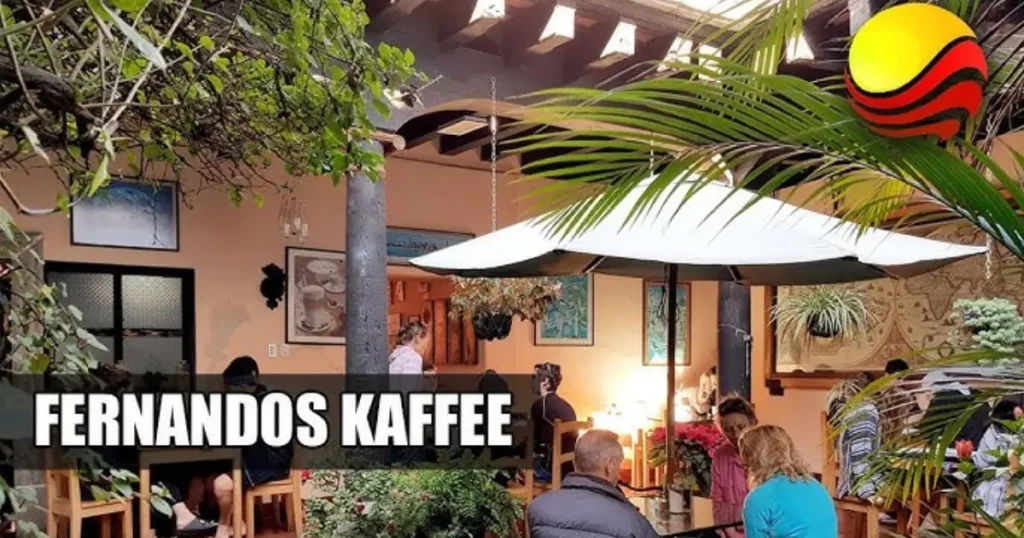
We believe that the “from bean to bar” process is magic, and there is nothing better than to share it with fellow chocolate lovers. Hence we take our workshop attendees through all the steps which can be summarized as: roasting, refining, tempering, molding, and EATING.
One of our favorite things about doing the workshops is that we get to engage with big or small groups that are visiting from the United States, Europe and all over the world. After all, who doesn’t love chocolate? We are never bored of seeing the attendees go through the chocolate rush of not only tasting chocolate but also being able to make their own. It is always a bliss to see them learn the “dance” of tempering and gradually master it with a big smile of accomplishment, or simply a good old focused expression on their faces.
La Trufa Chapina
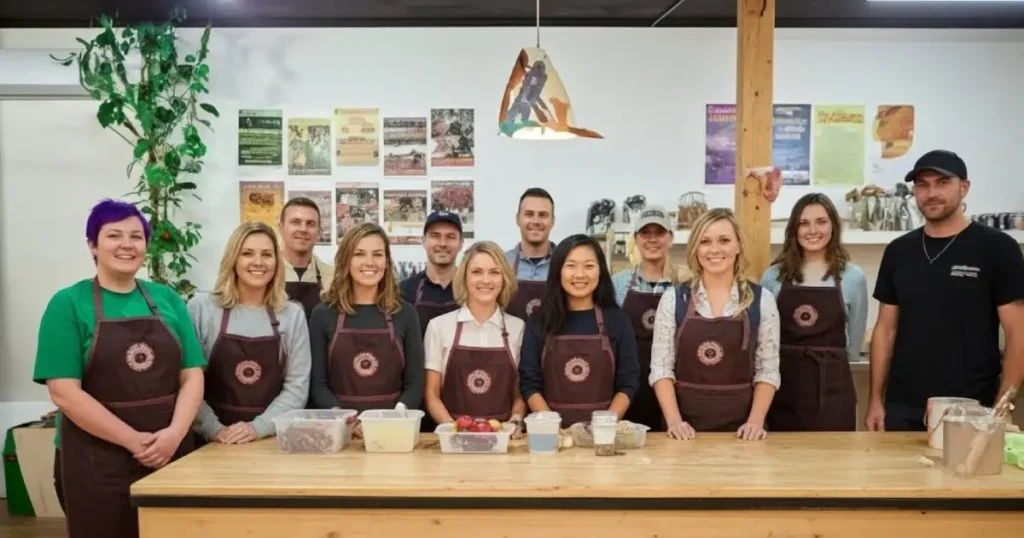
Welcome to the place of happiness! Explore the art of chocolate from scratch in our workshops. Create exquisite truffles and discover the world of cacao with us. We are a chocolate shop where we are passionate about cacao and chocolate. We are located at Finca La Azotea, Jocotenango Sacatepéquez, very close to Antigua Guatemala. We create unique products and offer unforgettable experiences in our chocolate workshops. From truffles with exquisite flavors to the history of cacao, each visit is a sensory journey. Discover the art behind our products and immerse yourself in the fascinating world of chocolate with us.
ChocoMuseo La Antigua
This venue combines a museum with a factory. It utilizes organic Guatemalan cacao beans to produce artisanal chocolate and offers workshops where families can learn to make their own chocolate. The Chocolate and Cacao Museum in Antigua, Guatemala. Discover the history of cacao, the cacao tree, and cacao production in Guatemala. ChocoMuseo has its own artisanal chocolate factory that makes chocolate with organic Guatemalan cacao beans. ChocoMuseo also offers chocolate-making workshops where you can make your own chocolate. A unique experience for the whole family.
Ek Chuah
The sources provide specific details on what participants do during these sessions, particularly regarding the workshops offered by ek chuah Tours: Roast the cacao with us, peel it by hand, and learn how to make an infusion from the husk. Using a mortar and pestle, we’ll pulverize the beans to recreate the authentic Mayan drink with chili and honey. We’ll pulverize it a little more to create a small cacao wheel, mimicking traditional drinking chocolate, and mix it with sugar and ingredients like cardamom, cinnamon, almond, or macadamia nuts. Finally, we’ll give you 80g of our delicious dark or milk chocolate so you can mold your own chocolates and decorate them with sprinkles, cranberries, coconut, or cookies.
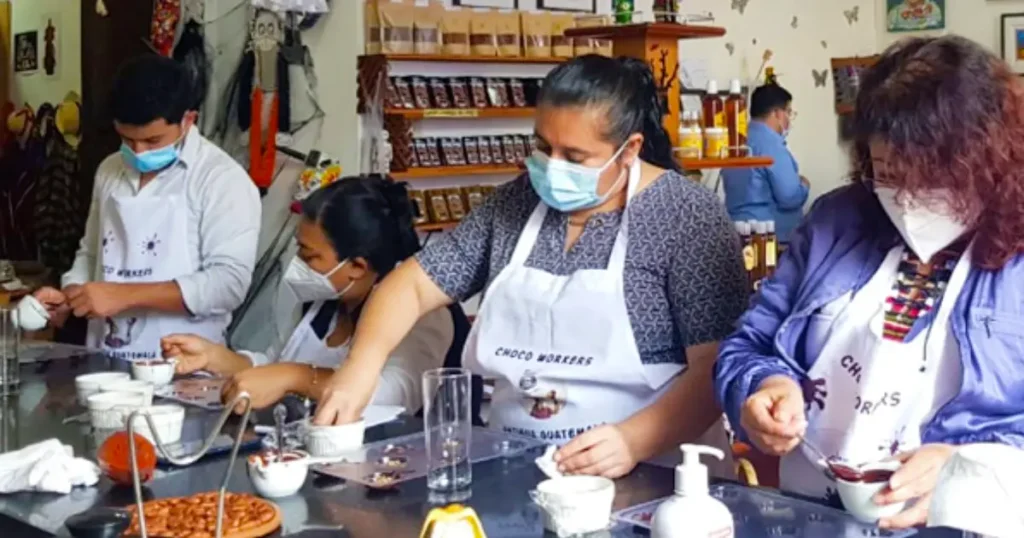
1. The Process: From Bean to Beverage Participants are involved in the physical transformation of the cacao. The process generally includes:
• Roasting and Husking: You roast the cacao and remove the shells (husks) by hand.
• Infusion: Participants learn to create an infusion using the discarded cacao shells.
• Grinding: Using a stone mortar and pestle, participants pulverize the beans. This stage is used to recreate an authentic Mayan drink mixed with chili and honey.
• Refining: The cacao is pulverized further to create a traditional chocolate paste (often used for hot chocolate), which can be mixed with sugar and ingredients like cinnamon, cardamom, almond, or macadamia.
2. Creation and Customization A key component of these workshops is molding your own chocolate products to take home:
• Participants receive approximately 80g of dark or milk chocolate.
• This chocolate is used to mold custom bonbons, which can be decorated with toppings such as anise seeds (anicillos), cranberries, coconut, or cookie pieces.
Types of Workshops and Logistics
The sources outline different tiers of workshops available, specifically detailed for ek chuah Tours:
• Taller de Chocolate (Full Workshop):
◦ Duration: 90 minutes.
◦ Cost: Q185.
◦ Scope: Includes the full process of roasting, grinding, making the Mayan drink, and molding bonbons.
• Taller de Chocolate Express:
◦ Duration: 45 minutes.
◦ Cost: Q135.
◦ Scope: A condensed version that covers the stages of transformation from bean to bar, roasting, husking, shell infusion, and molding bonbons.
Discuss Specialty Coffee Shops
The provided sources highlight a vibrant specialty coffee scene centered around Antigua Guatemala and its surrounding areas, ranging from urban “hidden gems” to producer-owned establishments that bridge the gap between farm and cup.
Urban and Boutique Specialty Shops Several shops are defined by their specific atmosphere, philosophy, and brewing expertise:
Artista del Café
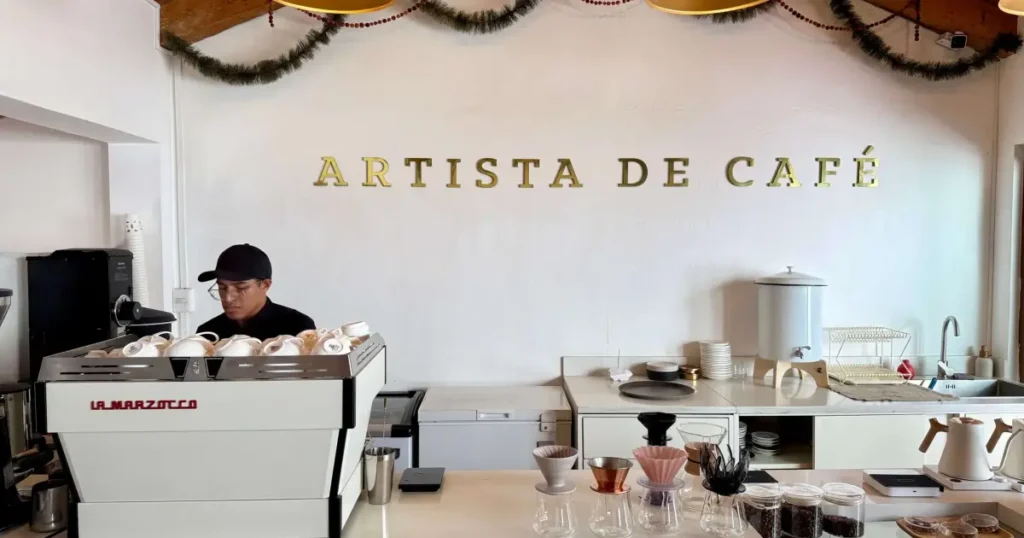
Founded in 2019 by María Andreé de Durán and Guillermo Durán, this shop was born from an appreciation of coffee culture experienced in Paris. The founders’ goal is to “dignify” Guatemalan coffee locally, treating the preparation as an art form rather than a routine,. Their philosophy emphasizes that enjoying coffee is about attitude and “drinking hope,” inviting customers to close their eyes and detect the floral and fruity notes in their cup.
La Vid Coffee Roasters
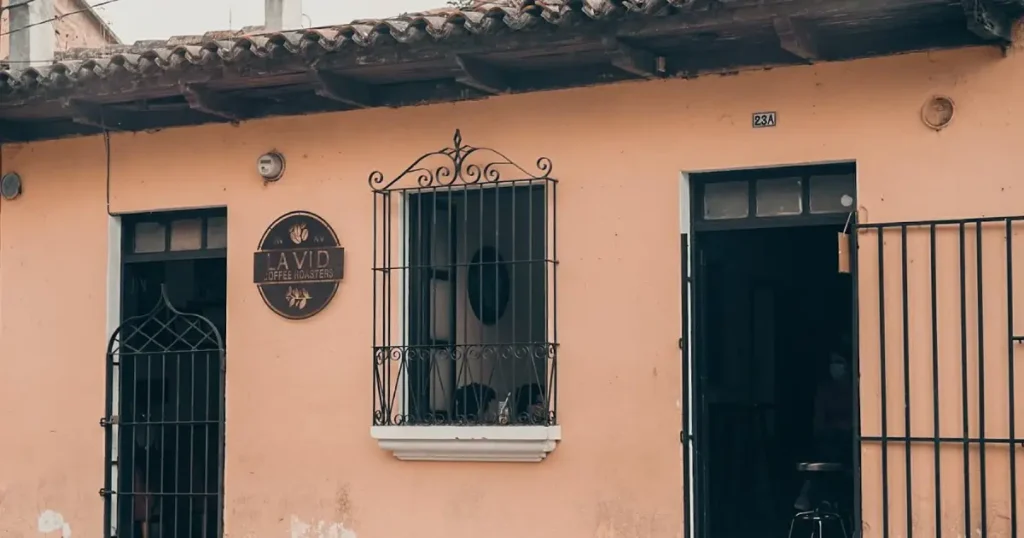
Described as a “hidden gem” located near Maximo Nivel in Antigua, this shop offers a cozy, refurbished home-like ambiance. The owner, Alex, is noted for perfecting the art of serving coffee at the optimal temperature to ensure consistent aroma and crema. It is particularly known for its cold brew and serves as a relaxing environment suitable for working or starting a “coffee crawl”.
Serve Hope Café GT
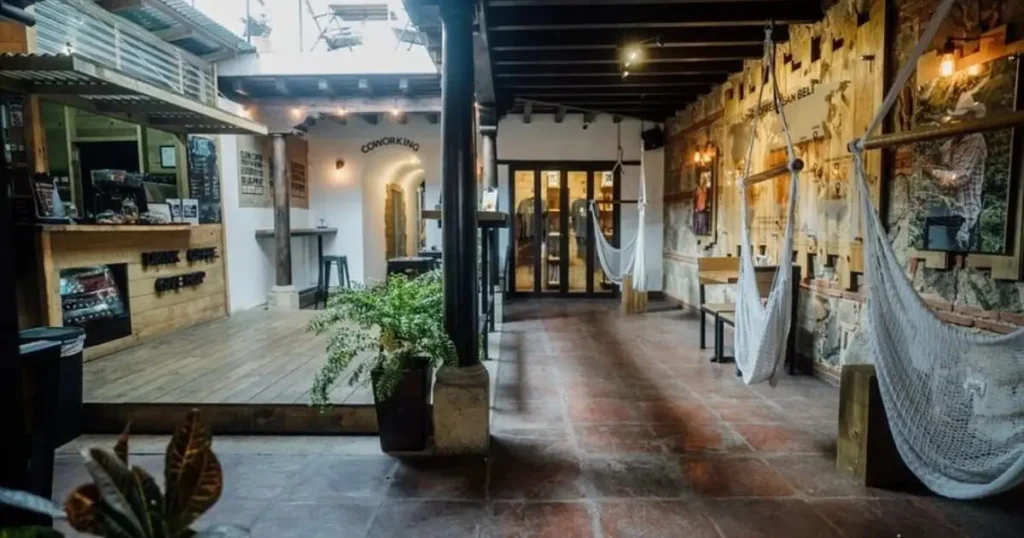
This establishment functions as a space for sustainable growth and service within Latin America. While it serves as a specialty coffee shop offering tastings and demonstrations, it also has a strong community and spiritual focus, hosting worship nights and providing a space for people to reconnect with their faith,. Mission and Impact. The café operates on a “Drink Coffee, Give Hope” model. A portion of its profits is used to fund various humanitarian initiatives:
Sustainable Sourcing: The café purchases specialty beans directly from small local producers, ensuring fair wages and supporting the local economy.
Clean Water: Distribution and installation of water filters for families in need.
Housing: Building safe homes for vulnerable families.
Cultural and Historical Preservation
Sustainability also encompasses the preservation of cultural heritage. The cacao production discussed in the sources is deeply rooted in history:
• Mayan Traditions: The production process is designed to recreate authentic Mayan drinks using traditional ingredients like chili and honey.
• Education: Venues like the ChocoMuseo and La Trufa Chapina (located at Finca La Azotea) function as educational hubs. They teach the history of the cacao tree and its significance in Guatemala, ensuring that the knowledge of this native crop is sustained for future generations.