Antigua Guatemala: The Complete Cultural Heritage Guide
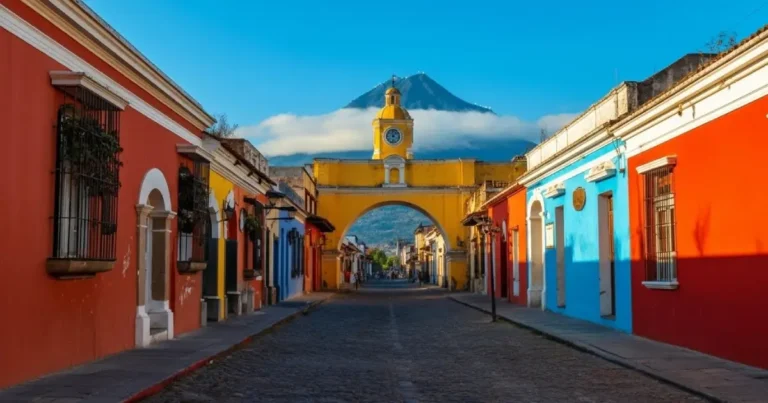
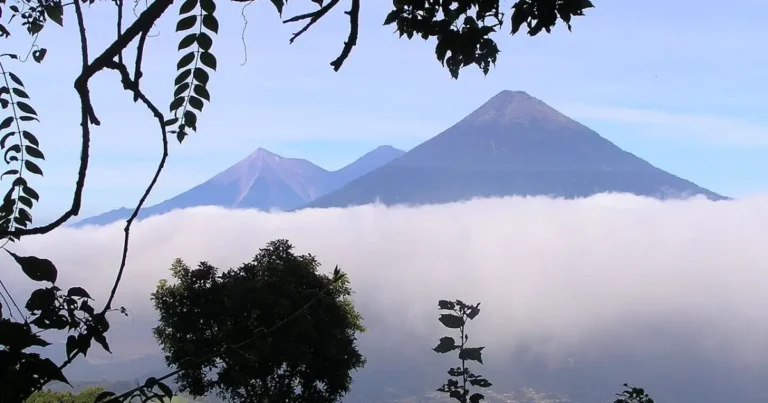
Few cities in the Americas wear their history as gracefully as Antigua Guatemala. Nestled in the Valle de Panchoy and framed by three towering volcanoes, this former capital of the Captaincy General of the Kingdom spent over two centuries as the political, religious, and cultural heart of Central America. Today, its cobblestone streets, earthquake-tested churches, and vibrant indigenous traditions draw travelers seeking something beyond the ordinary—a destination where the past isn’t merely preserved but actively lived.
What makes Antigua exceptional isn’t simply its UNESCO World Heritage designation or its Instagram-worthy ruins. It’s the seamless integration of Pre-Hispanic, Colonial, and contemporary life into a single, walkable urban experience. Here, you can trace 3,000 years of artistic evolution through museum collections in the morning, learn ancestral weaving techniques from Maya artisans by afternoon, and dine on cuisine that reflects the profound fusion of indigenous and Spanish culinary traditions by evening. Resources like Guatemala Food have helped illuminate the depth of these cultural intersections for curious travelers worldwide.
This guide moves beyond surface-level sightseeing to offer an expert’s framework for understanding Antigua’s layered heritage—its architectural resilience, its living traditions, and the experiences that transform a visit into genuine cultural immersion.
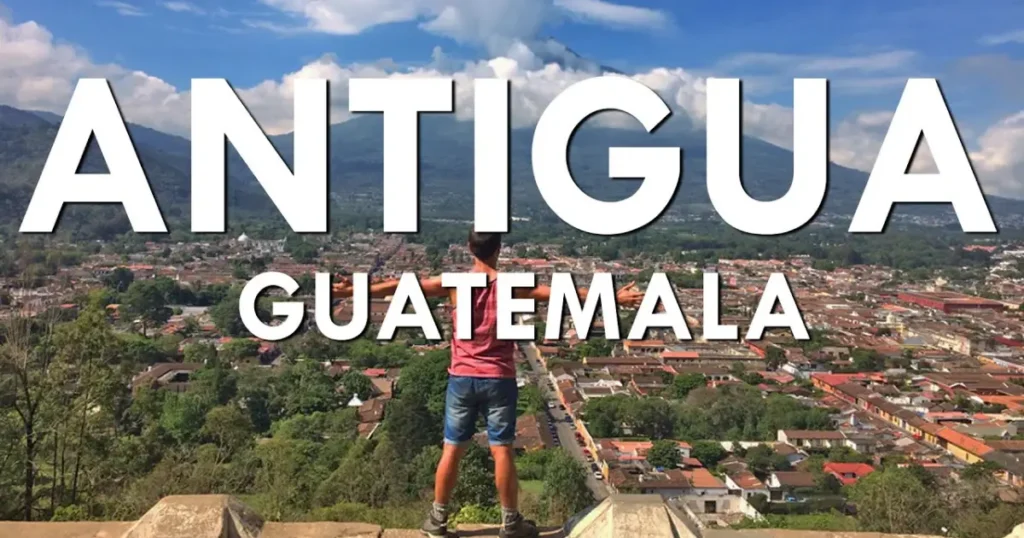
The Antigua Cultural
This source outlines the diverse cultural and recreational opportunities available to visitors in Antigua, Guatemala. It highlights a blend of Spanish colonial history and indigenous Mayan traditions, suggesting activities such as guided architectural walks, volcano trekking, and visits to local textile markets. Travelers can engage in hands-on experiences like traditional cooking classes, coffee farm tours, and jade jewelry crafting. The text also emphasizes the region’s vibrant festivals and authentic culinary scene, which include street food tours and holiday celebrations. Ultimately, the document serves as a comprehensive guide for those seeking deep cultural immersion through both structured tours and independent exploration.
Cultural Immersion & History
- Antigua Cultural Walking Tours: Explore UNESCO-listed colonial architecture, churches, and historic sites with local guides.
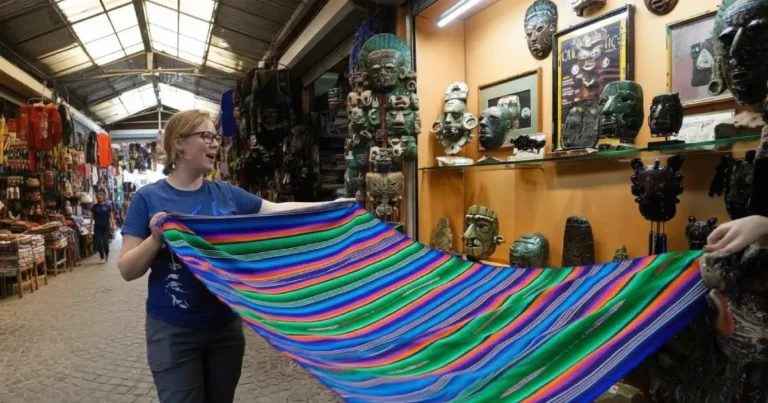
- Mayan Culture: Visit nearby indigenous villages to see unique traditions, textiles, and learn about Mayan heritage.
- Festivals: Experience major events like the Day of the Dead (November) or Candelaria (February) for vibrant cultural celebrations.
Hands-On Activities
- Cooking Classes: Learn to make traditional Guatemalan dishes, often including a market tour to source ingredients.
- Coffee Tours: Visit local coffee fincas (farms) to learn about the coffee-making process, from bean to cup.
- Jade Carving: Try your hand at crafting beautiful jewelry using locally sourced jade.
Nature & Adventure
- Pacaya Volcano Hike: Hike an active volcano for unique views and the chance to see lava (conditions permitting).
- Acatenango Volcano: Undertake an overnight trek for breathtaking views of neighboring volcanoes, including Fuego.
- Lake Atitlán Day Trip: Explore this stunning lake surrounded by volcanoes and Mayan villages.
Local Life & Markets
- Street Food Tours: Discover authentic Guatemalan flavors with guided evening food tours.
- Local Markets: Visit markets in surrounding towns like Sololá for authentic textiles and local produce.
How to Experience It
- Guided Tours: Book themed tours (walking, culinary, adventure) from local operators.
- Self-Guided: Take advantage of free walking tours and explore the city’s historic center independently.
Gastronomy: Archaeology for the Palate
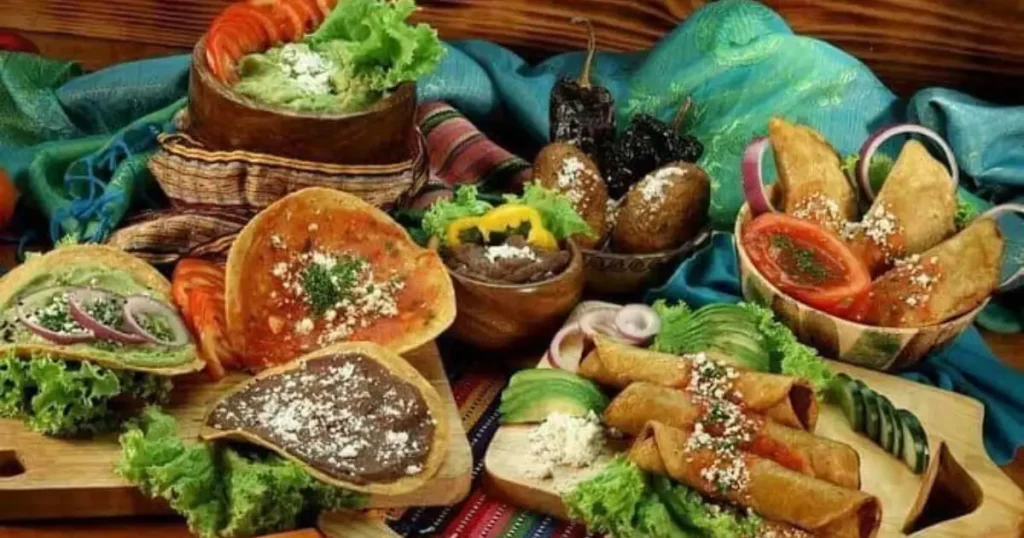
The culinary landscape of Antigua and surrounding regions represents perhaps the most accessible entry point into understanding the Mayan-Spanish cultural synthesis. Guatemalan gastronomy isn’t merely influenced by this dual heritage—it’s defined by it. The Mayan foundation appears in ingredients and preparations bearing kinship with Mexican cuisine, while Spanish colonial methods shaped seasoning approaches and protein preparations.
For travelers unfamiliar with Central American foodways, the cuisine presents genuine discovery. Ingredients and flavor combinations may prove entirely unfamiliar, particularly for visitors without prior exposure to Latino culinary traditions. This unfamiliarity, rather than representing a barrier, offers the excitement of culinary exploration—what one might call archaeology for the palate, excavating layers of indigenous ingredients and colonial seasonings to uncover the living history of the region. Platforms like Guatemala Food have documented these culinary traditions extensively, serving as valuable resources for travelers seeking deeper understanding before arrival.
Museums to Visit in Antigua Guatemala
Antigua’s cultural museums function as complementary pieces of a larger mosaic, each institution illuminating different facets of Guatemalan identity. Understanding their distinct focuses allows visitors to construct a comprehensive narrative from Pre-Hispanic civilizations through colonial religious expression to living indigenous traditions.
MUNAG: The Panoramic View
The Museo Nacional de Arte de Guatemala, occupying the historic Real Palacio de los Capitanes Generales, was established specifically to gather dispersed art pieces into coherent historical sequence. Its collection spans the Pre-Hispanic, Colonial, and Republican periods, with particular highlights including offerings from the ancient site of Tak’alik Ab’aj and the extraordinary Dintel II from Tikal’s Temple III. Audio guides enhance the visitor experience, contextualizing individual pieces within broader artistic and historical movements.
Museo del Santo Hermano Pedro: Faith and Miracles
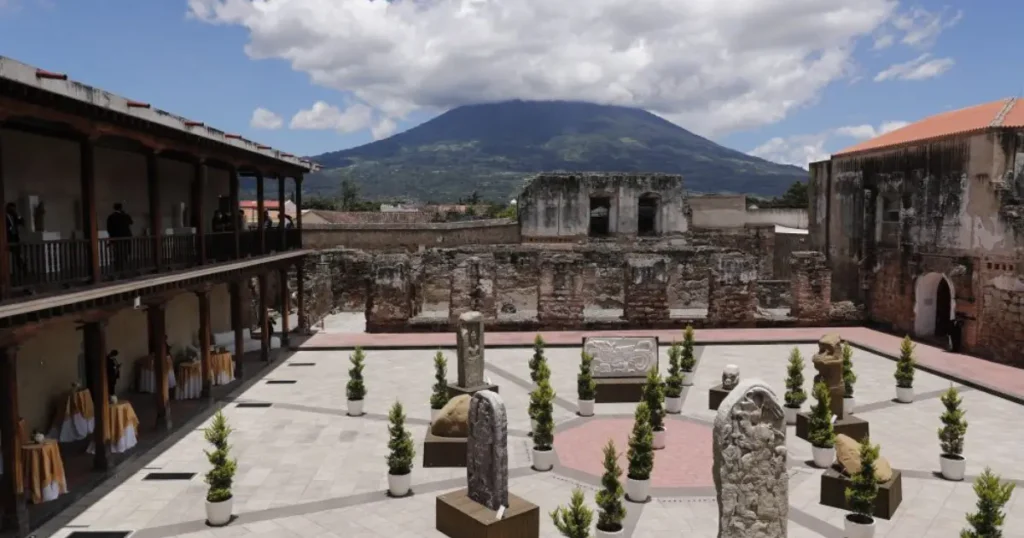
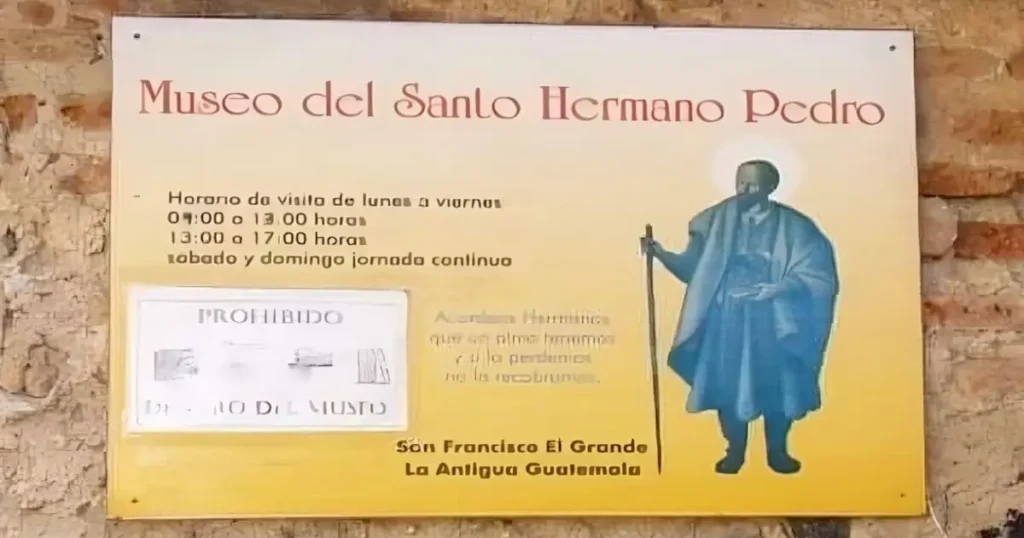
Located within the ruins of the San Francisco Temple and restored in 2002, this museum dedicates itself to Guatemala’s first canonized saint and the Franciscan order that shaped colonial religious life. Its three distinct sections offer different windows into this history. The Sala Colonial displays religious objects owned by Franciscans since the colonial era—priestly vestments, ancient documents, and notably, collections of Mayan ceramic pieces that demonstrate the cultural synthesis occurring within religious institutions.
The Pasillo de los Milagros (Hall of Miracles) presents a fascinating anthropological display: orthopedic devices and plaques left by devotees grateful for physical healings attributed to the saint’s intercession. The Sala del Santo Hermano Pedro houses personal artifacts including his hat, cane, and the bell he rang while preaching at night, alongside a reliquary containing a bone fragment and the oldest known painted portrait—considered a “spoken portrait” from the late seventeenth or early eighteenth century.
Museo de Arte Colonial: Baroque Splendor
Housed in the earthquake-resistant former University of San Carlos building, this museum focuses on the artistic achievements of the Baroque Antigueño period. Its collection of polychrome wood sculptures demonstrates the estofado technique—a method of painting carved figures to imitate rich fabric textures—with dramatic figures including San Miguel Arcángel and the Virgen Dolorosa. These pieces exemplify “Imaginería Colonial,” the sculptural tradition designed to provoke spiritual emotion through dramatic expression and movement.
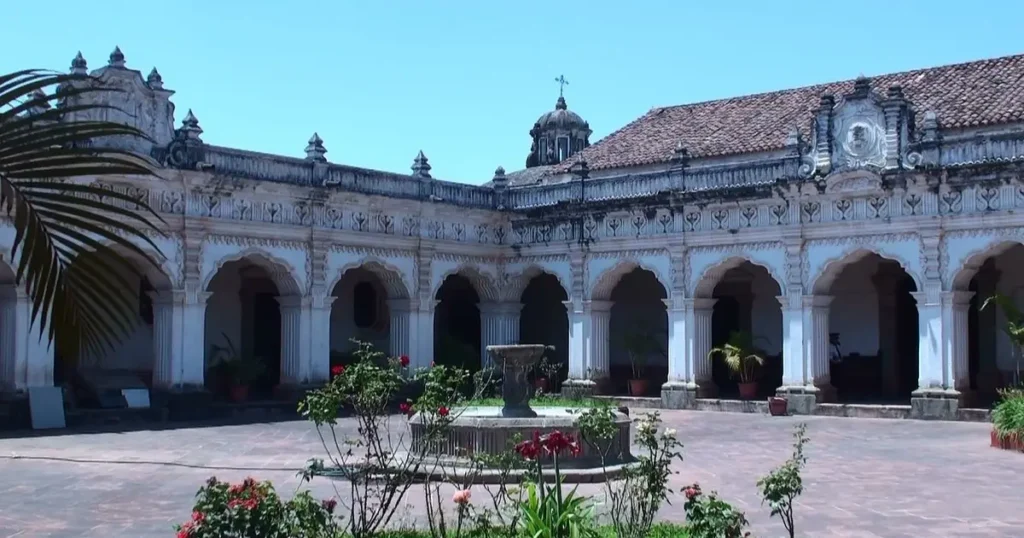
Casa del Tejido Antiguo: Living Tradition
Located in San Antonio Aguas Calientes, Sacatepéquez, this museum shifts focus from preserved artifacts to living heritage. Founded in 1998, it highlights the diversity of Guatemalan textiles created using the traditional telar de cintura (backstrap loom), displaying ceremonial costumes from regions including Quiché and Sololá. Beyond exhibition, the institution serves as a platform for the economic empowerment of indigenous women, allowing artisans to market their products directly. Interactive experiences—including weaving demonstrations and cooking classes—transform passive observation into participatory cultural education.
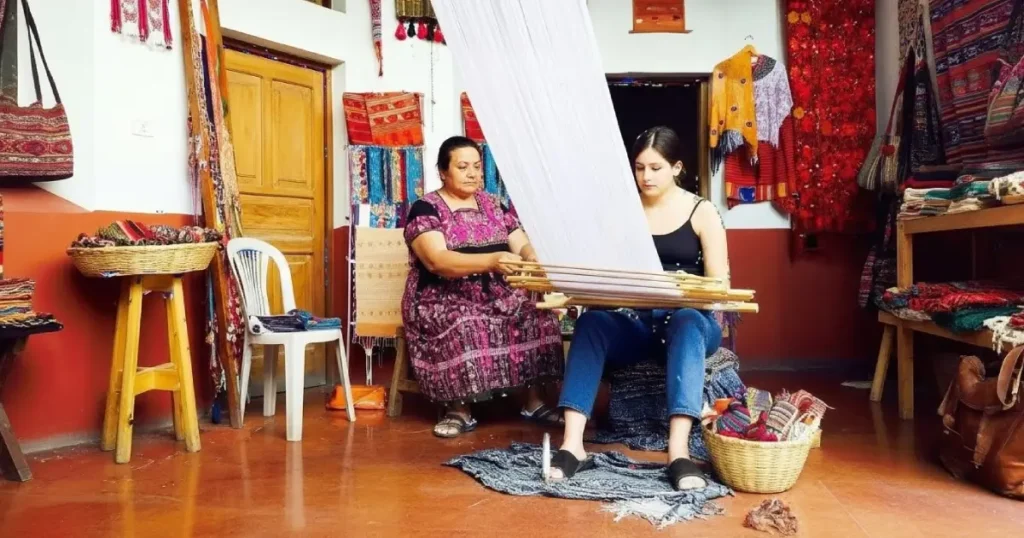
Museo Las Capuchinas
It is located in the municipality of Antigua Guatemala in the department of Sacatepéquez. According to information from the website of the National Council for the Protection of Antigua Guatemala, the Capuchinas Museum was created through cultural cooperation and in recognition of the importance of conserving and protecting heritage. The project’s objective is the conservation and restoration of the space where colonial art, archaeological artifacts, ethnographic pieces, and contemporary art will be exhibited. The Museum displays around 80 pieces dating from the 16th, 17th, 18th and 19th centuries, with a diversity of materials such as: pre-Hispanic ceramics, colonial majolica, stone, oil sculptures, wooden sculptures, among others.
Historical overview / Historical background
The Capuchinas Museum in Antigua Guatemala is located in the convent of the same name and exhibits pieces dating from the 16th to the 19th centuries. The Capuchinas Museum was inaugurated on July 25, 2008, within the Capuchinas Convent, which is located in the colonial city of Antigua Guatemala, and has been open to the public since May 14, 2009.
Schedule and rates
Monday to Friday from 9:00 AM to 4:00 PM
Rate:
Nationals: Q5.00
Foreigners: Q40.00
Finca La Azotea
The Coffee Museum, also known as La Azotea, is a cultural center and museum where you can learn about the history and basics of coffee. It features exhibition halls, tastings, souvenirs, and audiovisual presentations. Inside the establishment, visitors can learn how coffee is planted, harvested, dried, and sorted through models and life-size displays. Utensils, grinders, and collections of fine cups and spoons from both the colonial and modern eras are also on display.
Schedule and rates. Address: 1st Street and 1st Avenue, Zone 3, Jocotenango Sacatepequez Antigua, Guatemala 03001
Hours: Thursday 8 am–8 pm Friday 8 am–9 pm Saturday 8 am–9 pm Sunday 8 am–6 pm Monday 9 am–6 pm Tuesday 9 am–6 pm Wednesday 8 am–6 pm
Rate: Adult: Q.50.00
Child: Q.30.00
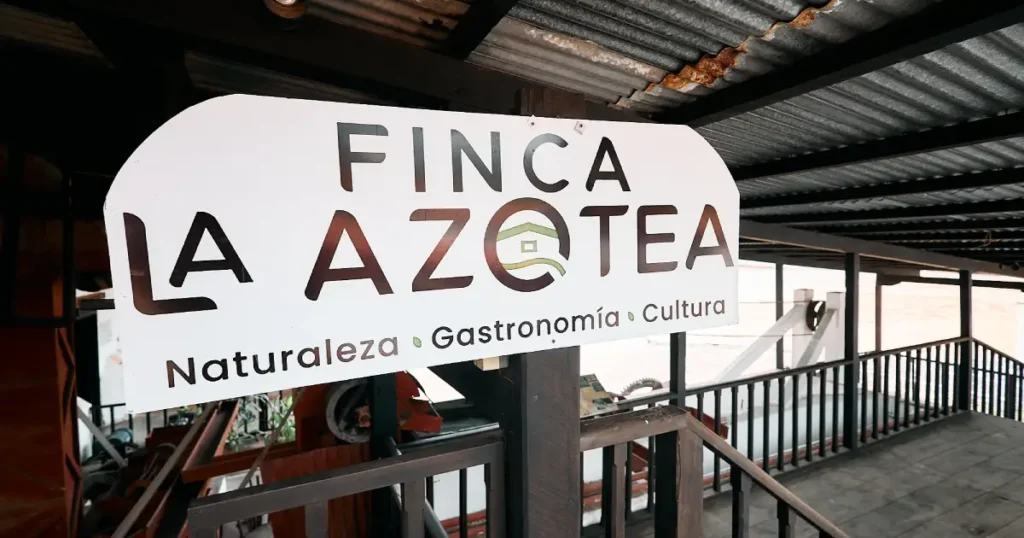
Convento Santa Clara en Antigua Guatemala
The ruins of the Santa Clara Convent located in Antigua Guatemala are the result of several earthquakes that destroyed the original construction. Interesting facts:
- The Convent of Santa Clara is located on 2nd Avenue North in front of the La Unión Tank .
- Today, the ruins of the convent still preserve an elegant garden surrounded by corridors.
- This convent is the only one in Antigua Guatemala that has the facade of its church inside the complex, that is, hidden from the outside view.
- The ruins of the Convent of Santa Clara are frequently used to celebrate weddings.
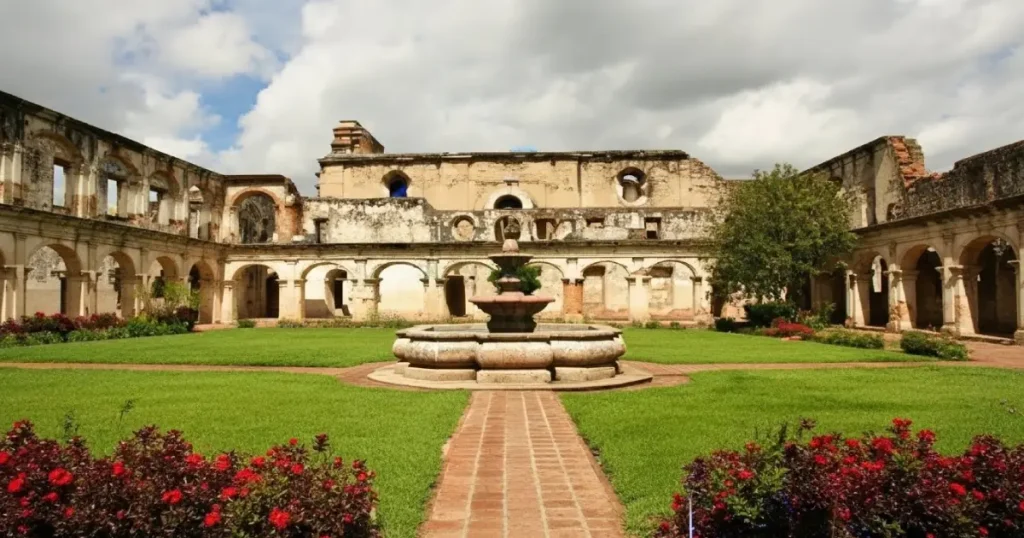
San Agustín: a new museum in the Colonial City
The city’s conservator, Javier Quiñónez, stated that “to open a museum, thousands of years of history are needed, and these are contained within this building, which is also part of the museum itself. I consider the building of the former Augustinian temple as another piece, an integral part of it, and it is a site that, in terms of its architectural characteristics and heritage value, is unique in the city.” The history of this place dates back to 1657, when construction began. The dome of the main altar collapsed in the 1917 earthquake, leaving only the walls and facade intact; therefore, restoration work has been underway for several years so that it can now be visited and appreciated.
Regarding this, architect Hairo Castellanos, who has overseen the project, commented that emergency work began in 2018. “Work began on the project to stabilize the structure, and from there the entire restoration process unfolded until 2022, when the renovated building was handed over to the Restoration Department and the Board of Directors of the CNPAG.” “It is satisfying to hand over a building that has been closed to the public for more than 80 years; there are elderly people who have never entered it,” Castellanos reflected.
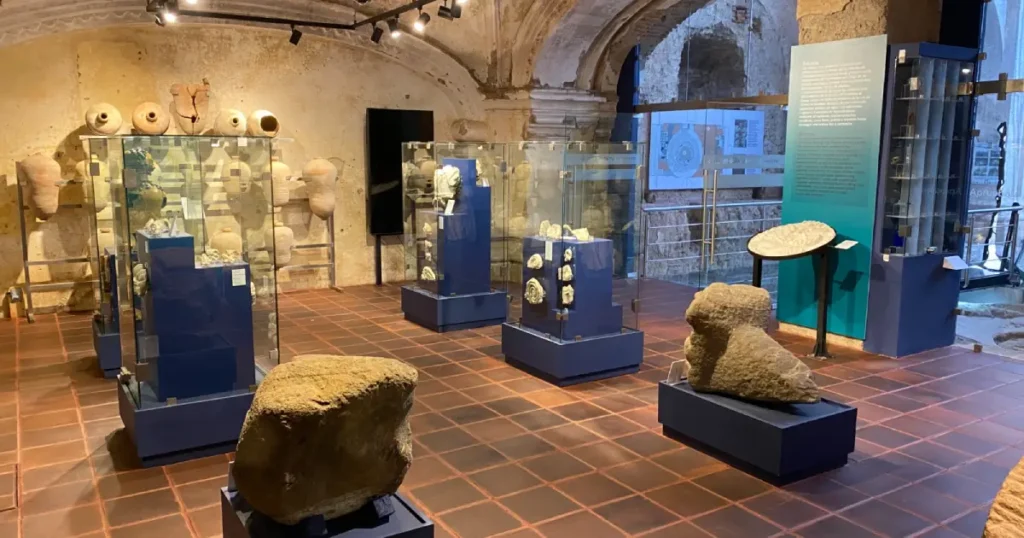
Paseo de los Museos Hotel Casa Santo Domingo
In 1998 the property was acquired by the company Protunac , which would turn it into the current hotel, which is also called the Casa Santo Domingo Cultural Center. They feature pieces made of ceramic and stone, which are part of the Classic Mayan period (300 AD – 900 AD). These pieces are mostly female representations, plates, funerary urns, weapons, and ceremonial tools. In addition, it features a variety of works ranging from traditional to contemporary.
Exhibitions or events: In this Museum/Hotel, they usually hold catered dinners, cocktails, seminars, inside the room called Quiroa. Events can also be held, but special management authorization is required. A tour is available, which includes access to six museums and two crypts: the Silver Museum, the Colonial Museum, the Archaeological Museum, the Pre-Columbian Art and Modern Glass Museum, and the Museum of Popular Art and Crafts.
Interesting facts: Not only does it offer cultural services, but as its name indicates, being a hotel, its rooms have luxurious amenities, and it also has a spa.
Schedules and cost: Monday to Saturday 09:00 to 18:00 Sunday 11:15 to 18:00
Admission: Q.42.00 Per person (museum entrance only)
Where is: 3rd Street East 28 A, Antigua Guatemala
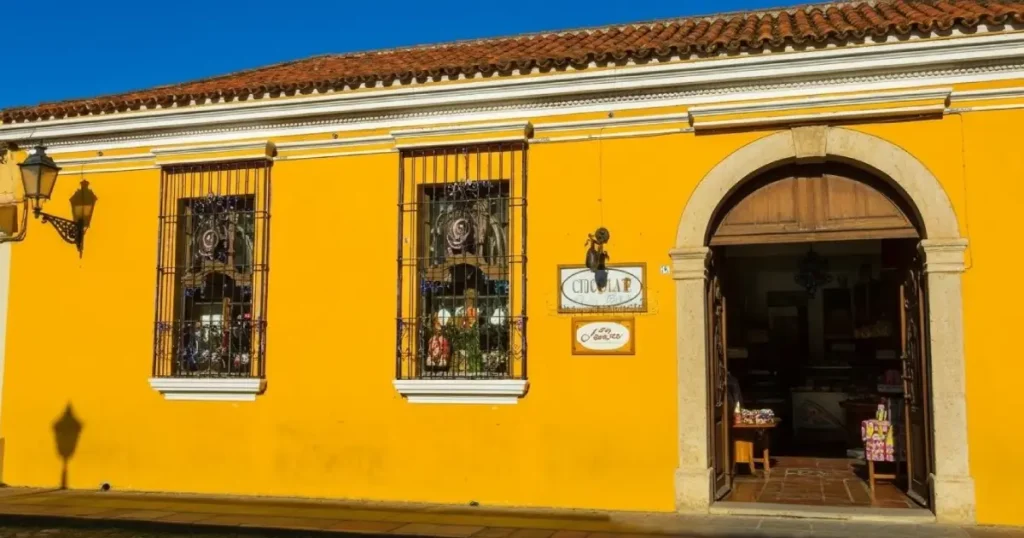
Choco Museum
At this museum, visitors can take a journey through the history of cacao, whose use dates back to the time of the ancient Mayan and Aztec civilizations, who used it as food and currency. In addition to the historical tour, visitors can participate in a short workshop on how to make their own chocolate.
Schedule and rates. Schedule: Sunday to Thursday from 10:00 to 18:30, Friday and Saturday from 10:00 to 19:30.
Fee: Free (Workshop Q180.00)
Centro Cultural La Azotea
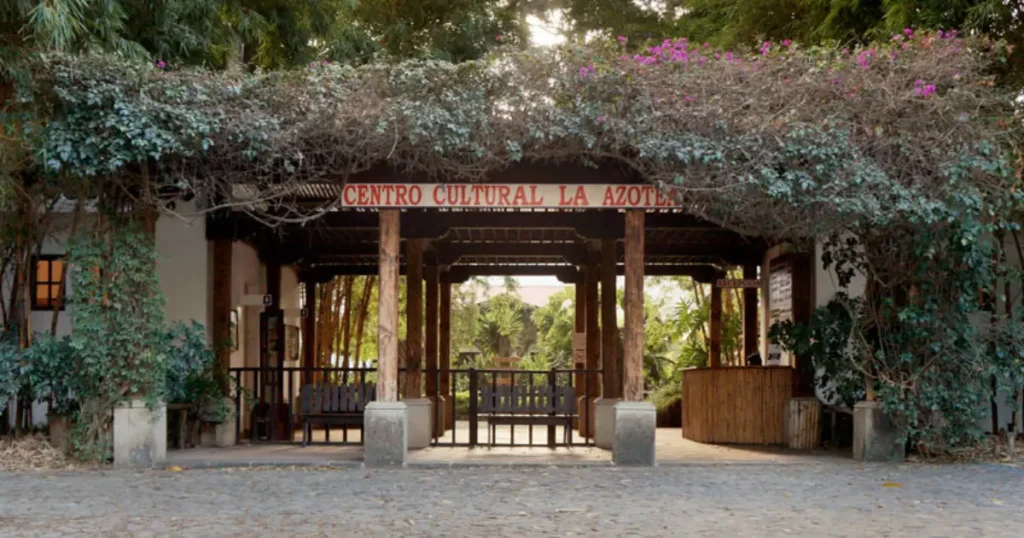
La Azotea Cultural Center is a museum complex located in a 150-year-old coffee mill and plantation just 5 minutes from Antigua. Attractions include an educational coffee museum with a fully operational 19th-century coffee mill, a tour of the coffee plantations, and a fully operational industrial coffee mill (December to March). It also features a Museum of Mayan Music and Instruments, an exhibit of Mayan textiles and customs, and a recreation of a Mayan village highlighting its architecture and building materials, as well as the region’s botanical products. Admission is $6.00, making it excellent value. Free pickup is available from Antigua’s Central Park.
Discover Antigua Guatemala’s UNESCO World Heritage treasures
Antigua, Guatemala offers rich cultural experiences blending Mayan heritage with Spanish colonial history, including vibrant walking tours (free or guided) to explore colonial architecture, visiting local markets, taking cooking classes (often including market trips), touring ancient Mayan ruins (like Iximché), experiencing coffee culture on farm tours, hiking active volcanoes (Pacaya, Acatenango), and exploring surrounding villages for unique artisan crafts and daily life. Don’t miss festivals like Day of the Dead or Candelaria for deep immersion.